Fiberglass Pool Removal
Looking for fiberglass pool removal, fiberglass pool demolition, or a clean pool fill-in that won’t turn into settling or drainage issues later? Fiberglass pools are a unique build: a one-piece shell set into an excavation. Removing them correctly depends on access, shell handling (lift vs cut), and a backfill/compaction plan that restores the yard properly.
What “Finished” Looks Like After Pool Removal
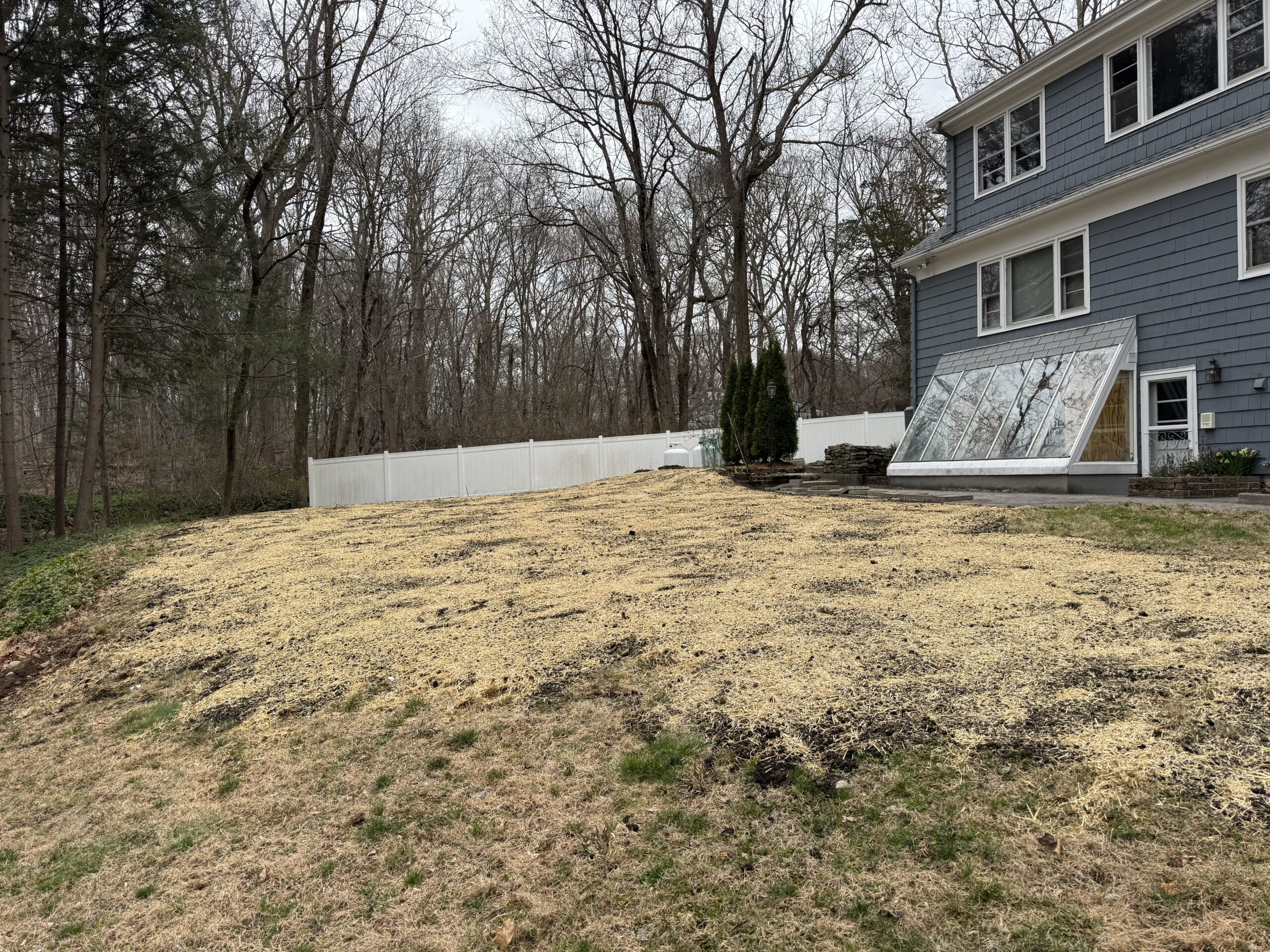
A fiberglass pool removal isn’t “done” when the shell is gone. It’s done when the yard is backfilled, compacted, graded for drainage, and ready for topsoil/seed (when included).
Fastest Way to Get Real Pricing (Send Photos)
Fiberglass pool removals price out fast when we can see the big drivers: access, deck/hardscape, and whether the shell can be handled in one piece or needs to be sectioned (cut).
- 1 wide shot of the pool + surrounding deck/coping
- 1 photo of the access route (street → backyard)
- 1–2 close-ups of tight areas (gates, walls, slopes, retaining walls, septic, patios)
- If you know it: approximate pool size and whether there’s a deep end
If you want a patio, pool house, addition, or any structure in the pool footprint, mention it upfront. The removal plan should match the future use (and any local requirements).
A fiberglass shell is large. If access is tight, the project becomes a “cut it up + haul it out + restore” plan. That changes time, labor, and disposal.
Homeowners often search “pool fill-in.” For fiberglass pools, that usually means removing the shell and then restoring the yard with stable backfill + grading (not burying fiberglass).
What Is a Fiberglass Pool?
A fiberglass pool is typically a pre-manufactured one-piece shell installed into an excavation. The shell is set into place, plumbed in, then backfilled around the outside. Most fiberglass pools have molded steps, benches, or ledges built into the shell.
Common components
- Fiberglass shell (one-piece)
- Backfill material around the shell
- Plumbing (skimmer/returns; drains vary by build)
- Decking (concrete, pavers, or other)
It’s not “break concrete”
Concrete pools are demolished with breakers. Fiberglass pools are usually removed by lifting the shell (if access allows) or cutting it into sections for removal.
Reclaim the yard
Most fiberglass pool removals are done to eliminate maintenance and recover usable space for lawn, landscaping, or a redesigned backyard layout.
How to Identify a Fiberglass Pool
Most reliable visual checks
- Smooth, hard shell surface (often gel-coat) — not a liner and not plaster
- Molded steps/benches that look like part of the pool (not separate inserts)
- No liner track/coping system like a vinyl liner pool
- The pool shape often matches common fiberglass mold styles (curved steps/benches, integrated ledges)
Lift-Out vs Cut-Up Fiberglass Pool Removal
For fiberglass pools, the biggest “fork in the road” is not full vs partial like concrete pools — it’s usually lift the shell out (when access allows) or section the shell (when it doesn’t). Either way, the end goal is the same: remove non-soil materials, then restore the yard with stable fill and proper grading.
| Method | What it means | Best when… |
|---|---|---|
| Lift-Out Removal (one-piece) | The shell is freed and removed as a large piece, then hauled off-site. The excavation is rebuilt with suitable fill, compacted in lifts, and graded. | You have workable access and staging space (gate width, turns, distance, slope). |
| Cut-Up / Sectioned Removal | The shell is cut into manageable sections for removal and disposal. Then the site is restored with stable fill, compaction, and drainage-aware grading. | Access is tight, the yard is constrained, or the shell can’t be safely handled as one piece. |
Our Fiberglass Pool Removal Process
A “good” fiberglass pool removal isn’t just getting the shell out — it’s restoring the yard so it drains correctly and stays stable over time.
- Assessment + access plan: confirm pool type, decking, staging space, access route, and safety approach.
- Drain + disconnect: prep the site for removal (plumbing/equipment handled per scope).
- Shell handling plan: lift-out vs sectioning strategy based on access and conditions.
- Remove shell + debris: load out and haul away shell material and any non-soil debris.
- Backfill in lifts (layers): rebuild the excavation with suitable fill, compacted in stages to reduce settling.
- Final grading: shape the restored area to blend into the yard and shed water properly.
- Lawn-ready finish (if included): topsoil, seed, and erosion control (hay/blanket) for establishment.
Common Challenges With Fiberglass Pool Removal
Tight gates / limited staging
Shell removal is very access-dependent. Tight yards may require sectioning the shell and hauling out in smaller pieces. That changes labor/time and disposal.
Concrete decks and hardscape
Many fiberglass pools are surrounded by concrete or pavers. If deck removal is part of the goal, it needs to be scoped clearly because it adds material volume fast.
High groundwater / saturated conditions
CT soils and water tables can affect how the excavation behaves during removal and backfill. We plan workflow around conditions and protect the property from unnecessary damage.
Patio or structure planned
If you’re building on the area, the removal plan should match your future use. Tell us upfront so we plan the right approach (and you can coordinate with local requirements).
Preventing “the old deep end low spot”
The goal is a natural-looking grade that sheds water. Done right, the yard blends like the pool was never there.
Clean removal vs buried problems
Fiberglass shell material is not “fill.” A professional job removes non-soil materials and restores the site cleanly.
Fiberglass Pool Removal Cost & Timeline
Fiberglass pool removal cost depends mainly on access, deck/hardscape volume, and whether the shell is lifted out or sectioned. Online price guesses are usually wrong without photos.
Typical pricing range
Many fiberglass pool removals land in the mid four-figures to low five-figures depending on access and scope. Larger pools, tight access, heavy decking, or strict disposal requirements can push pricing higher.
For a real number: send photos for a quote.
How long it takes
Many fiberglass removals are completed in several days to about a week. Complex access, extensive deck removal, or weather/ground conditions can extend the timeline.
We prioritize protecting the property over rushing through bad conditions.
Biggest cost drivers (fiberglass pools)
- Access: gate width, turns, slope, distance from street
- Shell handling: lift out vs sectioning/cutting
- Deck/hardscape: concrete deck, pavers, walls, fencing tied in
- Water/soil: saturated ground, high water table, sensitive landscaping
- Local requirements: permits, inspections, disposal rules
Permits & Inspections
Many towns require a permit for pool removal (and sometimes inspections/documentation). Requirements vary by municipality. If you’re unsure what your town requires, we can help you understand what’s typical once we know your location and project scope.
More general answers here: Pool Removal FAQ’s.
Service Areas
We complete fiberglass pool removal, pool demolition, and pool fill-ins across Connecticut and select surrounding areas: MA, RI, and NY (including Westchester and Long Island).
Connecticut towns we commonly serve (tap to expand)
Fairfield County: Greenwich, Stamford, Darien, New Canaan, Norwalk, Westport, Wilton, Weston, Fairfield, Bridgeport, Trumbull, Shelton, Stratford, Ridgefield, Danbury, Newtown, Monroe, Easton.
New Haven County: Milford, Orange, Woodbridge, New Haven, Hamden, North Haven, Branford, Guilford, Madison, Wallingford, Cheshire.
Hartford County: Hartford, West Hartford, Glastonbury, Avon, Farmington, Simsbury, Wethersfield, Newington, Bristol.
Middlesex County: Middletown, Durham, Old Saybrook, Essex, Clinton.
New London County: Waterford, East Lyme / Niantic, Groton, Stonington / Mystic, Norwich.
Litchfield County: New Milford, Torrington, Litchfield.
Not sure if you’re in range? Call or text—if it’s workable, we’ll tell you. If it’s not, we’ll tell you straight.
Fiberglass Pool Removal FAQ
Can you remove a fiberglass pool in winter?
Often yes, depending on conditions. Scheduling is weather dependent—frozen ground, saturated soil, or unsafe access can delay work. We won’t force progress if it risks damaging the property.
Do you remove the fiberglass shell or bury it?
We focus on removing the shell material and restoring the yard cleanly. Fiberglass shell material is not “fill,” and burying it can create headaches later. Requirements can vary by municipality and by the chosen project scope—if you tell us your town, we’ll guide you through what’s typical.
Will grass grow where the pool used to be?
Yes—when the area is backfilled, compacted in lifts, graded properly, and finished with topsoil/seed (when included). The key is stable fill and drainage-aware grading.
How do you reduce settling after a removal?
Fill placement in layers (lifts), compaction, and proper grading are the core steps that reduce settling and keep the yard usable long-term.
What if I want to build a patio, shed, or addition where the pool was?
Tell us upfront. The removal plan should match your future use, and you should coordinate any structural requirements with your engineer/architect and local building department.
Can you remove fiberglass steps from a vinyl liner pool?
Yes—many liner pools include fiberglass steps. That’s a different scope than removing a one-piece fiberglass shell pool. If you send photos, we’ll identify what you have and outline the cleanest plan.
More general pool-removal answers: Pool Removal FAQ’s.
Get a Free Quote for Fiberglass Pool Removal
If you want a clean fiberglass pool removal with a yard you can actually use afterward, reach out. We’ll scope it clearly, remove non-soil materials, and restore the area with stable fill, compaction, and grading.