In-Ground Pool Removal, Demolition & Fill-Ins Across CT, MA, RI, Westchester & Long Island, NY
SERVING ALL OF CT, MA, RI, & Areas Of NY
Swimming Pool Removal Experts CT, MA, RI
Grillo Pool Removal specializes in in-ground pool removal, demolition, and fill-ins across CT, MA, RI, Westchester, and Long Island, NY. We’ve completed hundreds of projects—including challenging concrete, vinyl, and fiberglass pools—with a focus on clean execution and a finished yard you can actually use.
If pool removal feels overwhelming, you’re not alone. That’s why we document our jobs so you can see the process and the final results before you hire anyone. Even in January, we’re working—pool removal is a year-round service when conditions allow. (Not sure what you have? See Types Of Pools.) Wondering what this typically costs in Connecticut? See Pool Removal Cost in CT.
New Posts & Projects
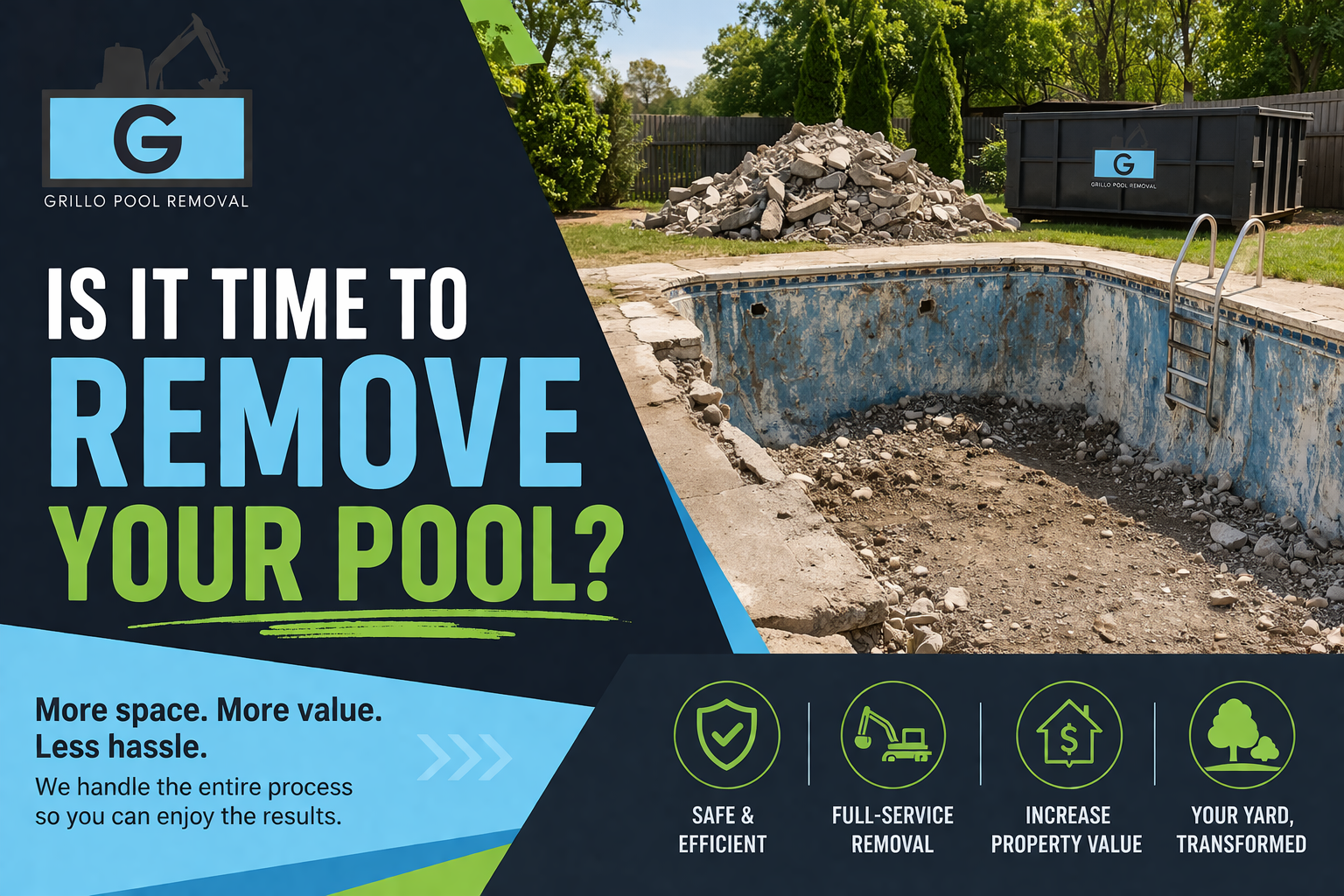
Is It Time to Remove Your Pool? | Spring 2026
The fastest way to get an accurate ballpark is to text us a few photos and details.
Note: You’re texting our Grillo Pool Removal team directly.
- Address (or town)
- 1 wide photo of the pool + deck/coping
- 1–2 photos of the access route (street → backyard, gate openings, tight turns)
- Pool type (concrete/gunite, vinyl liner, fiberglass, above ground — if you know)
We typically reply with next steps once we see the photos and access.
Spam note: We use a call blocker. Text first and we’ll reply—then call if needed.
How It Works
Our Pool Removal Process
We provide full-service in-ground pool removal, demolition, and site restoration. Concrete, vinyl liner, or fiberglass — the goal is the same: a clean site, stable backfill, proper compaction, and a finished yard you can actually use.
Planned access, staged debris, and a process that doesn’t turn your yard into chaos.
Backfill in lifts and compaction focused on reducing settling and future headaches.
We work year-round (weather dependent) and schedule intelligently to avoid a muddy mess.
Step-by-Step
A clear process from first access planning to final grade.
-
Site Evaluation & Plan
We confirm pool type, access, staging, and what’s included (pool only vs patio/fence/walls).
- Access
- Staging
- Drainage
- Scope
-
Site Prep & Access Creation
We prep the work area and create a safe path for equipment (sometimes temporary fence sections are removed).
-
Drain & Secure Components
The pool is drained and the site is set up for controlled demolition and safe equipment movement.
-
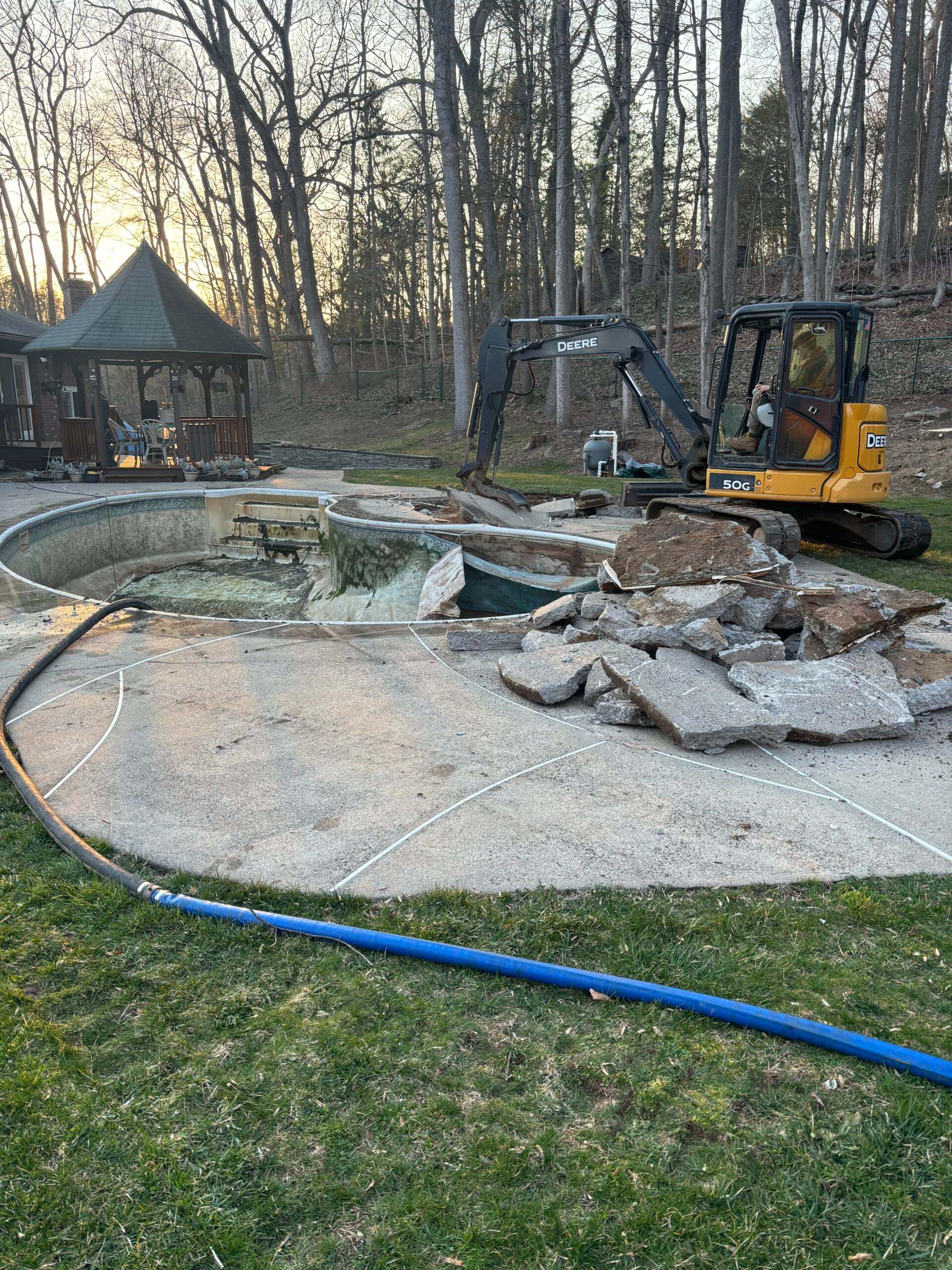
Demolition & Removal
We remove the pool structure and any surrounding hardscape included in the project scope.
Pool-type note (click)
- Concrete: structure is broken up/removed per scope.
- Vinyl liner: liner and components are removed; area is prepared for backfill.
- Fiberglass: shell is removed (often sectioned for handling) and disposed appropriately.
-
Material Handling & Debris Management
We keep the site staged and controlled so restoration is clean and straightforward.
- Concrete
- Stone
- Rebar
- Mixed debris
-
Backfill, Compaction & Final Grade
We backfill in lifts (layers), compact for stability, then grade to match the yard and promote proper drainage.
What homeowners usually want next (click)
- Topsoil + seed or sod
- Landscaping / plantings
- Prep for future patio or outdoor living features
What affects timeline & scheduling? (click)
- Pool type & size (concrete vs vinyl vs fiberglass)
- Access (tight gates, walls, slopes, fencing)
- Added demolition (patios, fences, retaining/stone walls)
- Weather (we work year-round, weather dependent)
- End goal (lawn vs landscaping vs future construction)
Quick FAQ
How long does pool removal take?
It depends on pool type, access, and scope (pool only vs patio/fence/walls). Weather and ground conditions can also affect scheduling.
Will the area settle later?
We backfill in lifts (layers) and compact to reduce settling and create a stable surface for lawn and landscaping.
Do you work in winter?
Yes — we work year-round, weather dependent. If conditions would create a muddy mess or risk damage, we schedule accordingly.
Real Homeowner Review
“They gave a proper burial to a family legacy.”★★★★★Our family could not be more pleased with the professional, neat, and exemplary work done in putting our old, tired, family pool to rest. Bittersweet, the pool was our father’s pride and a neighborhood icon since 1965. I learned to swim in that pool and have a lifetime of memories, but Sean and his team gave a proper burial to this legacy. They are truly experts in this field and it shows. We are happy to have found them.
Carolyn Cavaliere Graziano
Family pool since 1965 • Pool removal client
Licensed & insured • Pool demolition specialists
Proof of Work: Pool Removal & Property Transformation
Below are three videos from a real pool removal and site transformation completed by our crew. We’re sharing these to show the process, equipment, and results—so you can feel confident you’re hiring a team that actually does this work every day.
All footage shown is from projects performed by our team (not stock video or “example” clips).
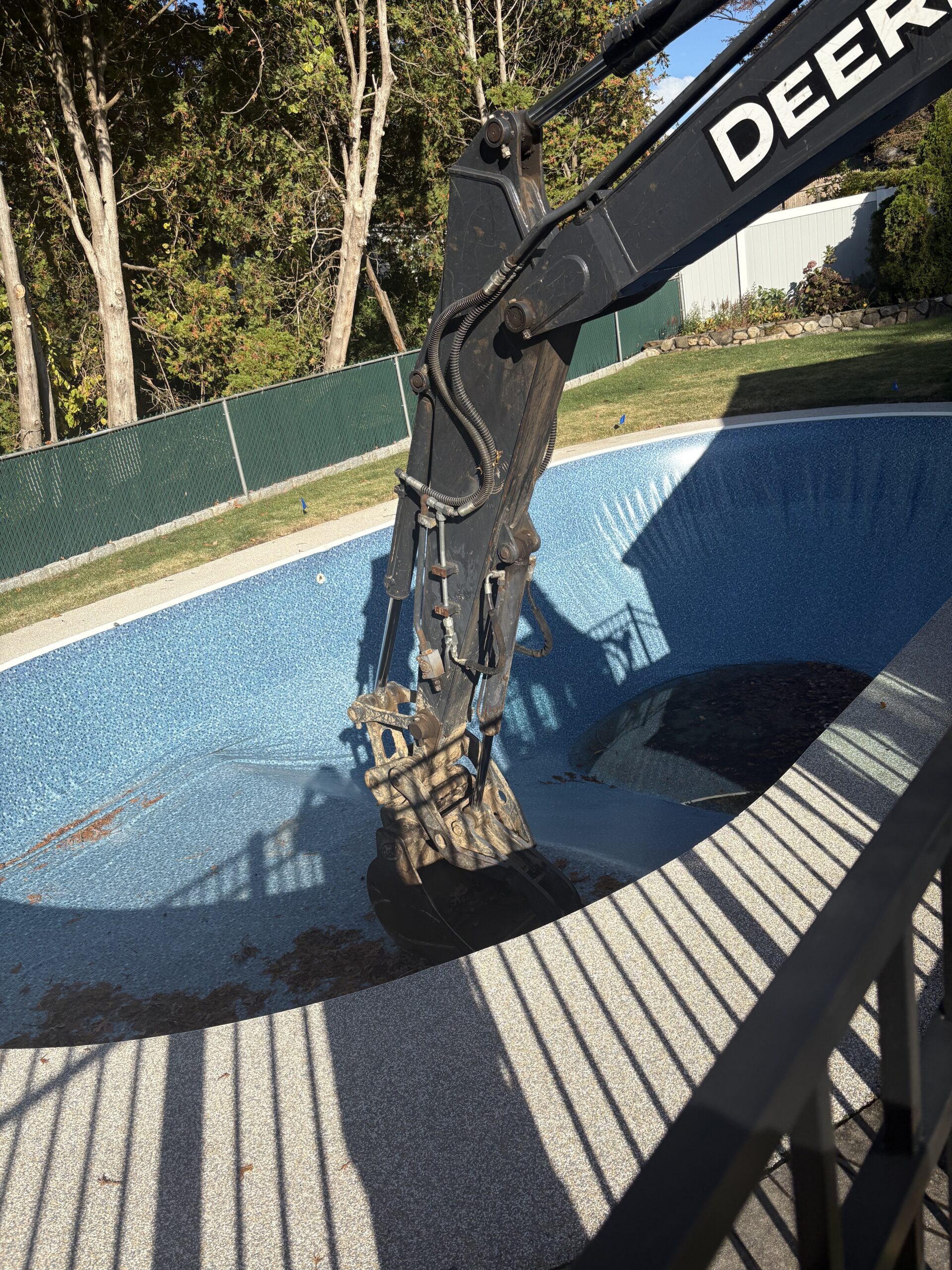
Jobsite Footage: Pool Removal in Progress
A behind-the-scenes look at the demolition/removal process and how we handle the work on-site.
Before and After: Bristol CT Pool Removal Transformation Time Lapse
A clear, fast view of the transformation—showing the “before,” the work, and the “after” results.
Final Outcome: Cleanup, Backfill, and a Finished Yard
A closer look at the finished results and the condition we leave the property in when the job is done.
Homeowner Reality Check
Why Many Homeowners Are Choosing to Remove Their In-Ground Pools
Pools can be great—until the costs, repairs, and risks outweigh the benefit. We remove in-ground pools across Connecticut, and these are the most common reasons homeowners decide it’s time to take it out and get their yard back.
- Lower ongoing costs
- Reduce liability
- Reclaim usable yard space
- Avoid major repairs
- Improve resale appeal
Escalating Maintenance & Energy Costs
Monthly upkeep adds up, and older systems can be expensive to run.
- Chemicals, cleaning, openings/closings, and routine service
- Repairs that keep popping up as the pool ages
- Heating, pumps, filters, and circulation driving utility bills
Liability & Safety Concerns
A pool can be a constant worry—especially with kids, pets, or frequent guests.
- Accident risk and ongoing supervision concerns
- Insurance and liability pressure for homeowners
- Peace of mind once the hazard is gone
High Renovation & Repair Bills
At a certain point, “fixing it” becomes throwing money at a pool you don’t even use.
- Resurfacing, tile/coping, cracks, leaks, plumbing issues
- Equipment upgrades and replacement cycles
- Renovation quotes that rival the value you actually get from the pool
More Usable Outdoor Space
A pool can dominate the yard and limit how you actually want to live outside.
- Room for lawn, landscaping, play areas, gardens, or a new patio
- Better flow for entertaining and outdoor living
- A yard that’s easier to maintain
Resale Appeal & Marketability
In some markets, an older pool narrows your buyer pool. Removing it can make the property simpler to sell.
- Some buyers see pools as maintenance + liability, not a feature
- Removing an unused pool can broaden buyer interest
- A clean, level yard is a strong selling point
Ready to get your yard back?
We handle in-ground pool removals and full removals/fill-ins across Connecticut with a clear scope and clean finish.
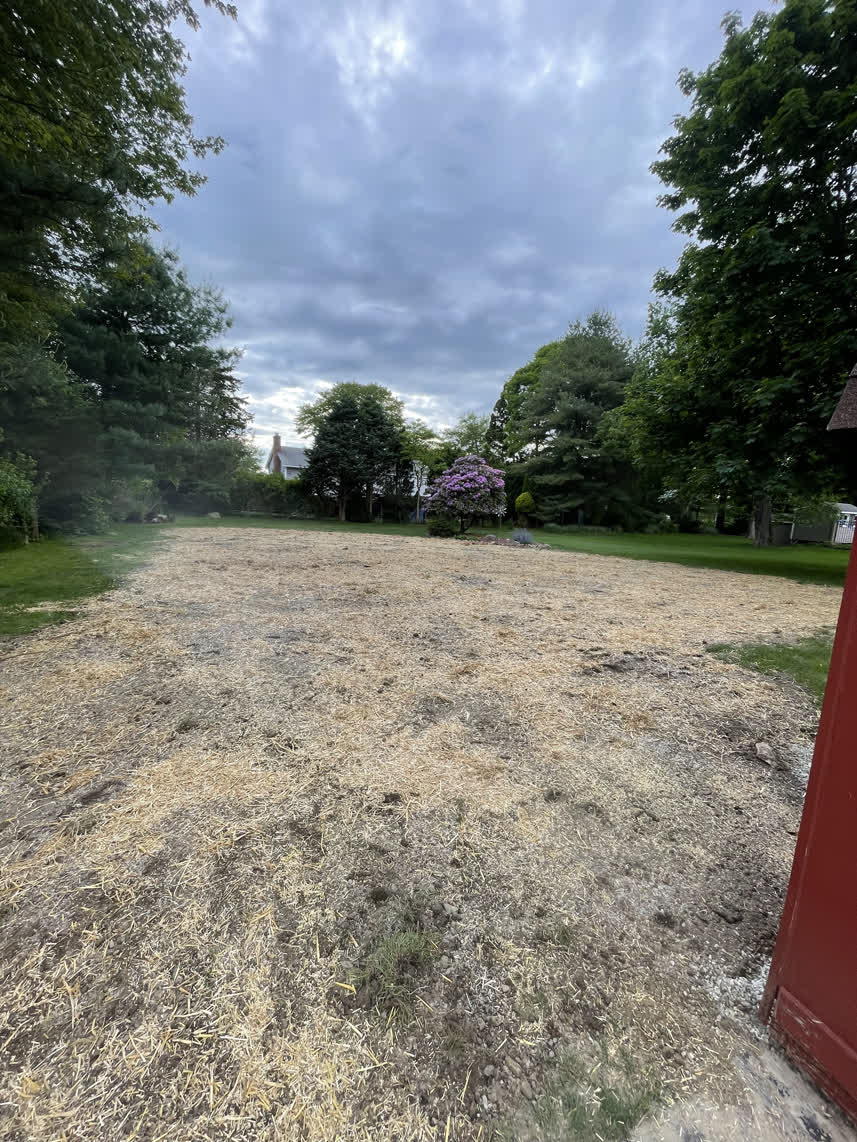
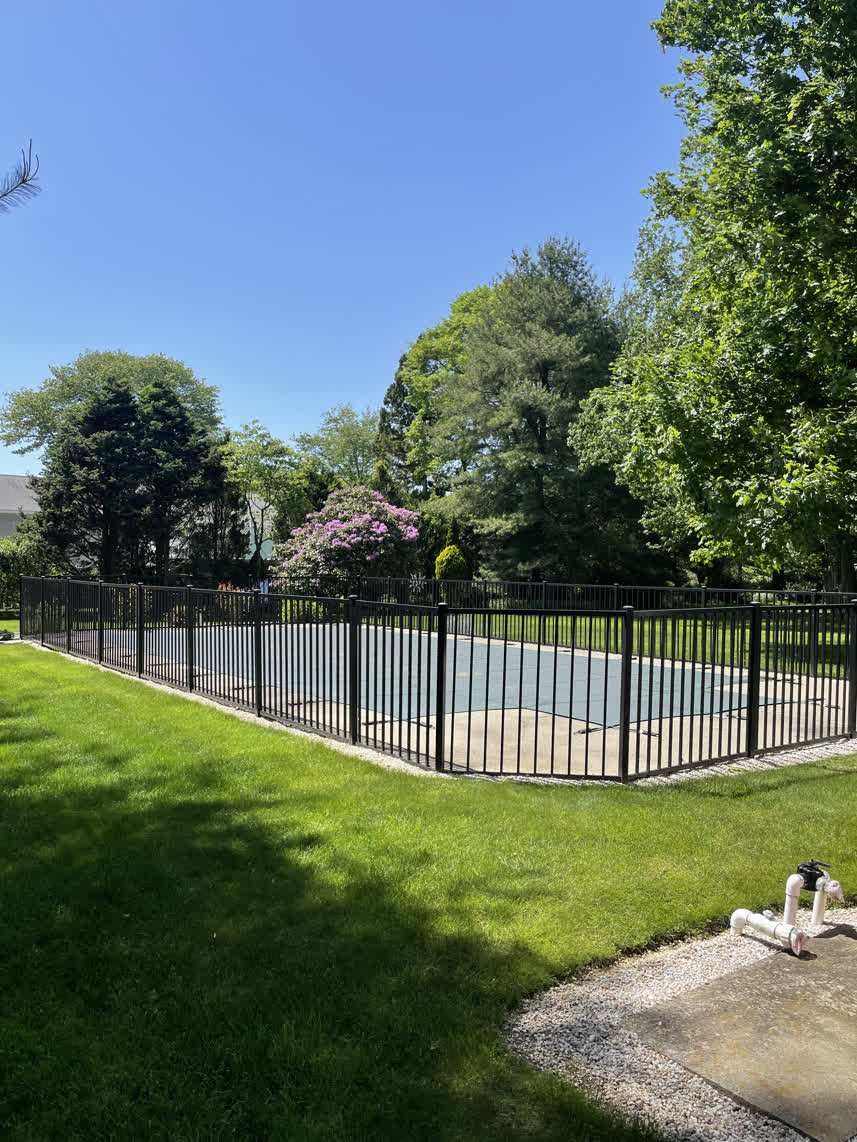
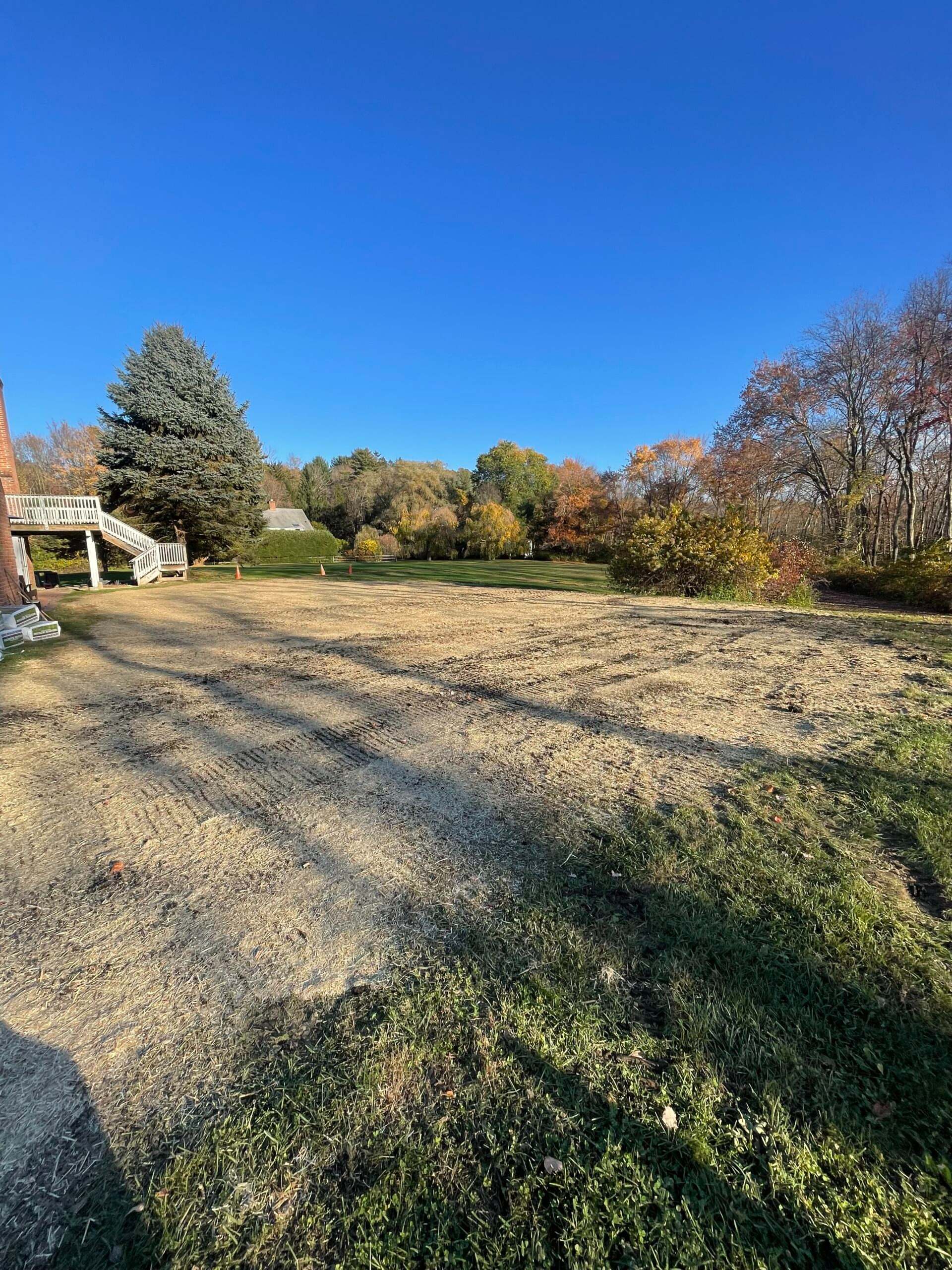
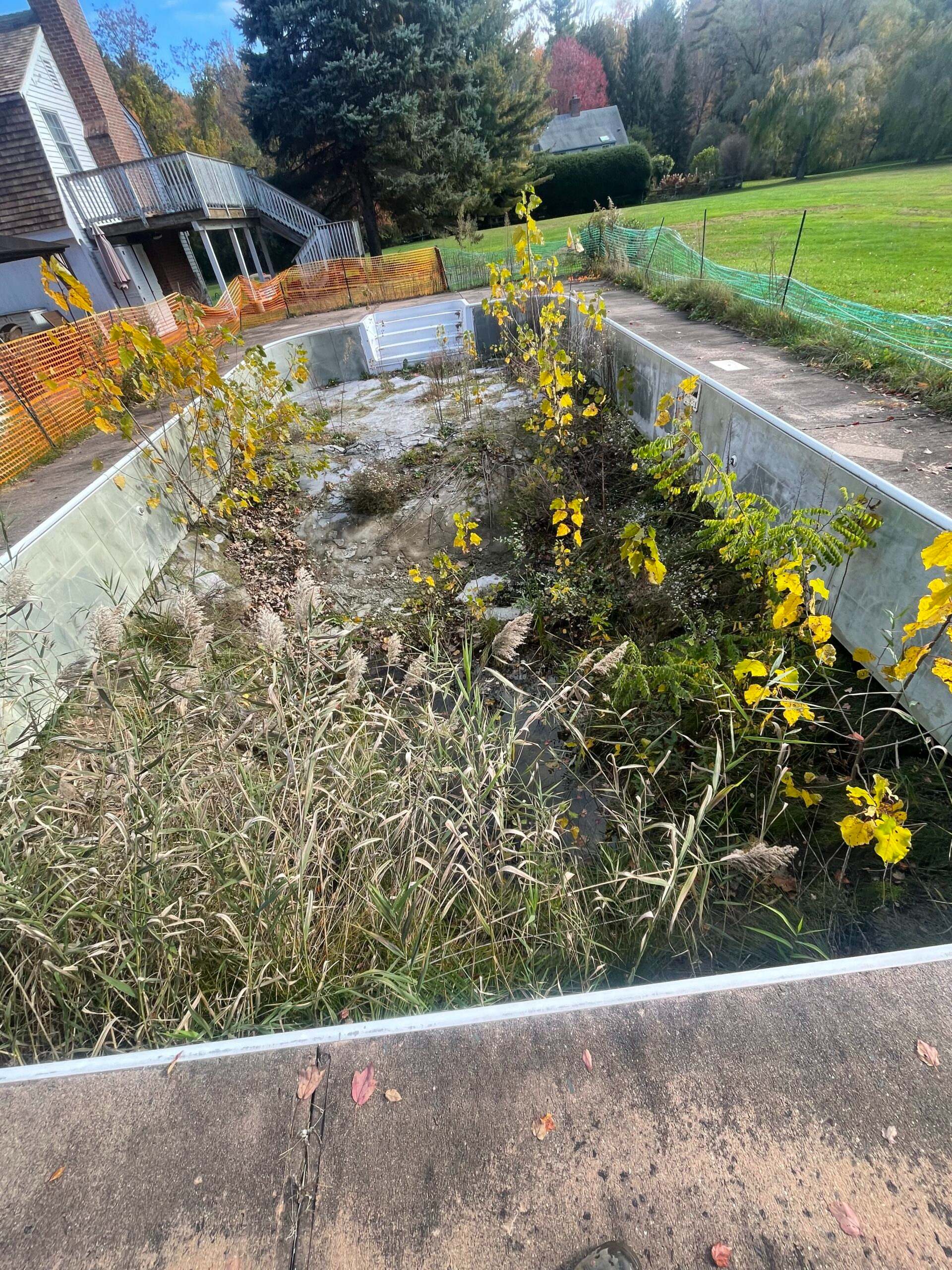
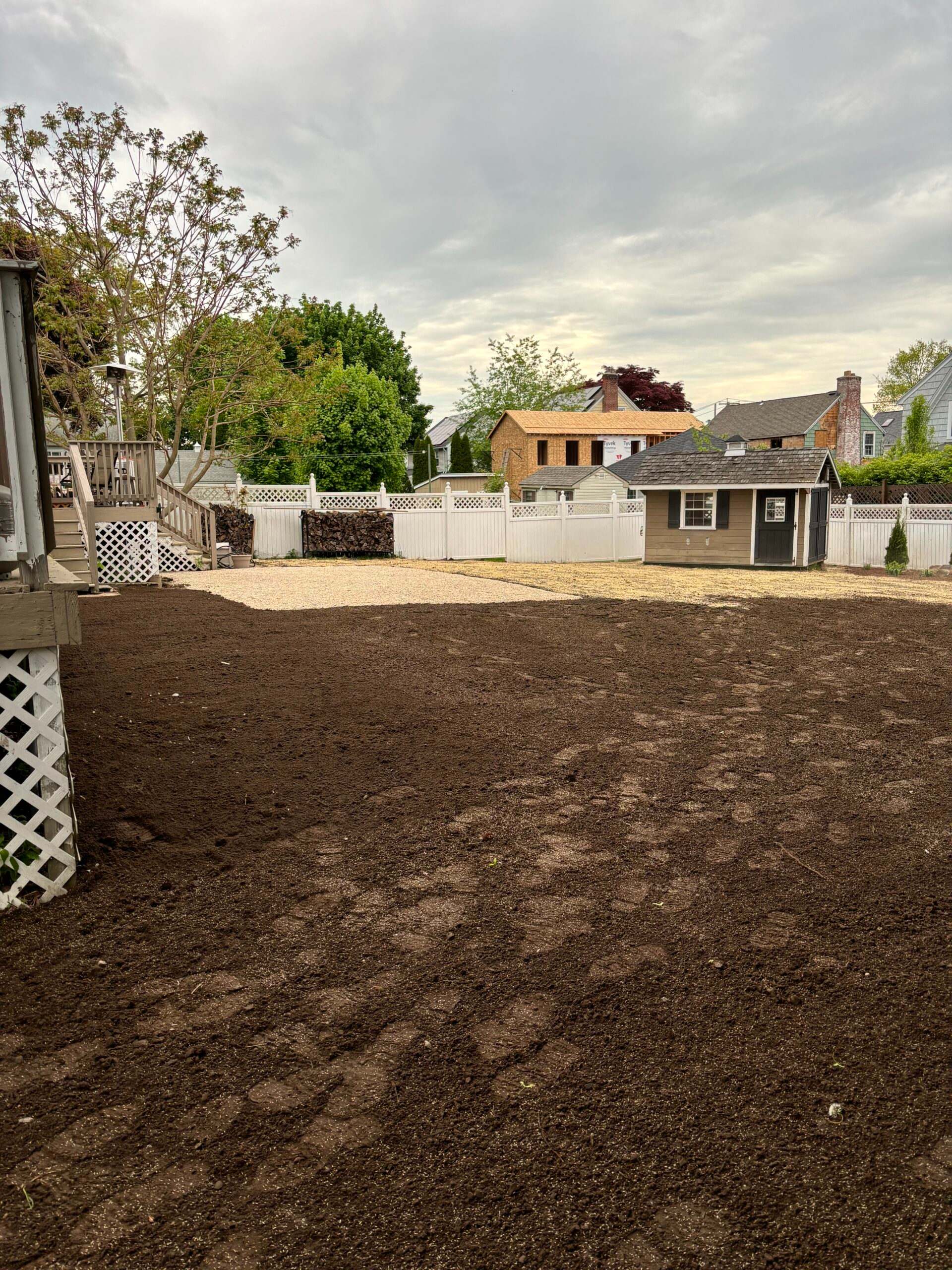
Drag the slider to compare
Clearing Up the Confusion
“Full Removal vs. Partial Removal” — Here’s What People Get Wrong
If you’ve researched pool removal online, you’ve probably seen “full removal” and “partial removal” used in a way that confuses everyone. A lot of articles and contractors lump all pool types together — but the truth depends on what your pool is made of.
Vinyl Liner Pools
There is no “partial” option that involves burying pool materials.
- Liners, panels/walls, and related components must be removed and disposed of properly.
- Burying vinyl/plastic/metal components can cause future issues and is the wrong way to do it.
Fiberglass Pools
Same deal: the shell is debris and should not be buried.
- The fiberglass shell is removed (often cut up for handling) and disposed of appropriately.
- Burying it can lead to settlement and surprises for any future digging or landscaping work.
Concrete Pools
This is the ONLY time “full vs partial” is a real choice.
- Clean concrete is commonly allowed to be processed on-site as part of a fill-in (rules vary by town/scope).
- If you need a future structure or pool there, you’ll usually want all concrete hauled out.
Concrete Pools: What We Typically Do (and When We Don’t)
With concrete pools, the decision is about the concrete — not about burying trash. Here’s the clear breakdown:
Most Jobs: Break Up & Bury Clean Concrete
About 95% of the time, we break up the clean concrete and place it in the excavation as part of the engineered fill-in, then backfill and compact in lifts. This is a common approach in many municipalities (always scope/rules dependent).
- Efficient and practical for standard lawn/landscaping restoration
- Concrete is not “garbage” like vinyl/fiberglass materials
- Final result is a stable, usable yard when done correctly
When You Need Everything Gone: Haul Out All Concrete
If you plan a future pool, an addition, a garage, a foundation, or any structure in that exact area, you may want a true “full removal” where all concrete is removed and hauled off-site to a licensed facility.
- Best for future construction or deep excavation plans
- Reduces unknowns for engineers/builders later
- Creates the cleanest slate for structural work
- Future pool plans
- Addition / foundation
- Patio or hardscape build
- Resale considerations
- Town requirements
Why this matters (the short version)
The internet makes it sound like “partial removal” is a cheap shortcut for any pool type. It’s not. Vinyl and fiberglass materials are debris and shouldn’t be buried. The only real “full vs partial” conversation is with concrete pools, because clean concrete can often be managed on-site depending on scope and local requirements. (See all types of pools.)